Medical-grade chemical peels are controlled, corrective treatments designed to stimulate cellular turnover, break up pigmentation, refine texture, and support collagen production. Because these treatments intentionally create a controlled injury to the skin, how you prepare beforehand and care for your skin afterward directly affects your results.
Pre-care and post-care are not optional add-ons. They are part of the treatment itself.
When instructions are followed properly, we see faster healing, more even peeling, reduced irritation, lower risk of hyperpigmentation, and better long-term collagen stimulation. When instructions are ignored, complications become more likely.
At Corinne Aesthetics, our chemical peels are performed by licensed Registered Nurses (RNs), and your recovery guidance is provided with medical oversight to ensure your skin heals safely and predictably.
Why Preparation Matters Before a Chemical Peel
Healthy, stable skin responds better to stimulation. If your barrier is already compromised, inflamed, or recently sun-exposed, the risk of irritation and pigmentation increases.
The goal of pre-care is to calm inflammation, protect the skin barrier, and create a predictable environment so your peel performs exactly as intended.
7 Days Before Your Peel
Avoid excessive sun exposure
UV exposure increases melanin activity in the skin. Performing a peel on recently sun-exposed skin increases the risk of post-inflammatory hyperpigmentation. Even mild tanning can impact results.
Pause retinoids and exfoliating acids as directed
Retinoids, AHAs, and BHAs accelerate cell turnover. If used too close to your peel appointment, they can cause over-exfoliation and barrier damage.
Avoid waxing, threading, or aggressive treatments in the treatment area
Hair removal combined with a peel can lead to skin lifting or irritation because both treatments disrupt the outer layer of the skin.
Keep your routine simple and barrier-focused
Use a gentle cleanser, a hydrating moisturizer, and daily broad-spectrum SPF. Healthy skin going into a peel equals better healing coming out of it.
48 Hours Before Treatment
Avoid heat and intense workouts
Heat increases skin inflammation and can make it more reactive during treatment.
Do not introduce new skincare products
New products can trigger irritation or allergic reactions, making your skin unpredictable on treatment day.
What to Expect Immediately After Your Peel
Medical-grade chemical peels create controlled inflammation. This is the mechanism that triggers collagen stimulation and cellular renewal.
Immediately after treatment, you may notice:
- Redness similar to a mild sunburn
- Warmth or a “spicy” sensation
- Tightness
- Mild swelling
- Tingling
These reactions are normal and usually resolve within several hours to 48 hours, depending on the depth of the peel.
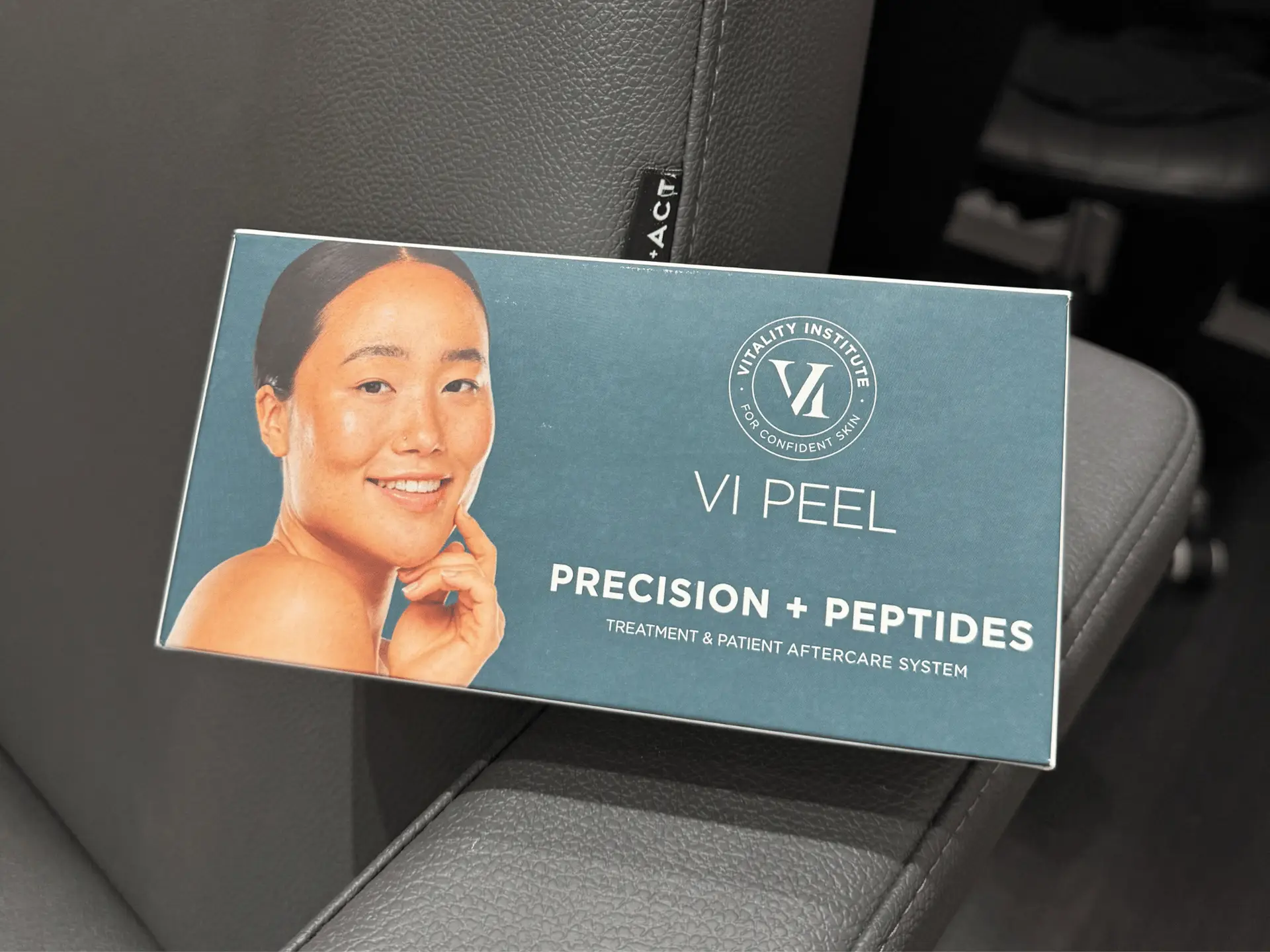
Stronger peels, such as VI Peel, typically feel more active. Lighter professional peels, such as certain SkinCeuticals formulations or the gentle peel included in Hydrafacial, usually involve milder sensations.
Understanding the Peeling Process
Peeling is controlled shedding. It is not damage — it is renewal.
When Does Peeling Start?
For deeper peels such as VI Peel, visible peeling often begins around day 2 or 3 and can last several days. For lighter peels, you may experience minimal flaking or none at all.
Does More Peeling Mean Better Results?
Not necessarily.
The strength of the peel, your skin condition, and your overall skin health all influence how much you peel. Healthier, well-maintained skin may peel less dramatically, yet still undergo cellular renewal beneath the surface.
Even when peeling is minimal, microscopic turnover continues.
Post-Care Instructions After Your Chemical Peel
After a peel, your skin barrier is temporarily more vulnerable. During this time, protection is more important than correction.
First 24 Hours
Avoid heat, workouts, and sweating
Heat increases inflammation and can intensify redness and swelling.
Use only recommended gentle products
Your barrier is temporarily compromised. Harsh cleansers or active ingredients can cause unnecessary irritation.
Avoid makeup if possible, especially after deeper peels
Allowing the skin to breathe supports even shedding and healing.
Do not touch, scratch, or rub the skin
Friction can disrupt the healing process and increase the risk of pigmentation.
Days 2–5 (Typical Peeling Phase for Stronger Peels)
Do not manually remove peeling skin
Pulling or picking at peeling areas can cause scarring, pigmentation, and uneven healing. Let the skin shed naturally.
Keep the skin well moisturized
Hydration reduces itching and tightness while supporting barrier repair.
Apply sunscreen daily
Freshly revealed skin is extremely sensitive to UV damage. Skipping SPF can undo pigmentation correction and increase sensitivity.
Avoid active ingredients such as:
- Retinoids
- AHAs or BHAs
- Physical scrubs
- Vitamin C if irritating
Your skin is in repair mode. This phase is about protection, not stimulation.
After Visible Peeling Ends
Once the peeling phase is complete, we gradually reintroduce active ingredients as directed.
Why Gradual Reintroduction Matters
Adding strong products too quickly can trigger irritation and prolong recovery. Collagen remodeling continues beneath the surface for weeks, and controlled healing supports better long-term results.
We will guide you on when to safely resume:
- Antioxidants
- Retinoids
- Brightening agents
- Pigment inhibitors
Chemical Peel Downtime Timeline
Downtime varies depending on peel depth.
Light Professional Peels
- Mild redness
- Minimal flaking
- Little interruption to daily activities
Medium-Depth Peels (VI Peel)
- Noticeable peeling for 3–5 days
- Temporary dryness and tightness
- More significant corrective results
Even after visible peeling ends, collagen stimulation continues for several weeks.
Why Following Aftercare Protects Your Results
Chemical peels work by creating controlled inflammation. When inflammation becomes excessive or unmanaged, risks increase.
Proper aftercare helps:
- Prevent post-inflammatory hyperpigmentation
- Support barrier repair
- Encourage even healing
- Optimize long-term collagen production
Aftercare is not just about comfort. It directly impacts your final outcome.
When to Contact Our Office
While most reactions are normal, contact us if you experience:
- Severe swelling
- Blistering
- Persistent pain
- Signs of infection
- Unusual or worsening darkening
Our licensed RNs are here to guide you through the healing process and ensure your recovery stays on track.
Long-Term Maintenance
Medical-grade chemical peels are most effective when integrated into a long-term skin plan.
Healthy skin requires:
- Consistent SPF use
- Medical-grade skincare
- Strategic maintenance peels
- Thoughtful combination treatments
Pre-care and post-care are part of building stronger, more resilient skin. They are not separate from the treatment — they are essential to it.