How microneedling works
Microneedling creates controlled microchannels in the skin to trigger a natural repair response. Over time, this supports collagen, elastin, smoother-looking texture, and subtle fullness from new collagen support.
Support smoother texture, refined pores, acne-scar softening, collagen renewal, and subtle volume support with SkinStylus microneedling options selected around your skin goals.
Microneedling Treatment
Microneedling is a progressive treatment, which means the best results usually come from choosing the right depth, cadence, add-ons, and supporting treatments instead of treating it as a one-time appointment.
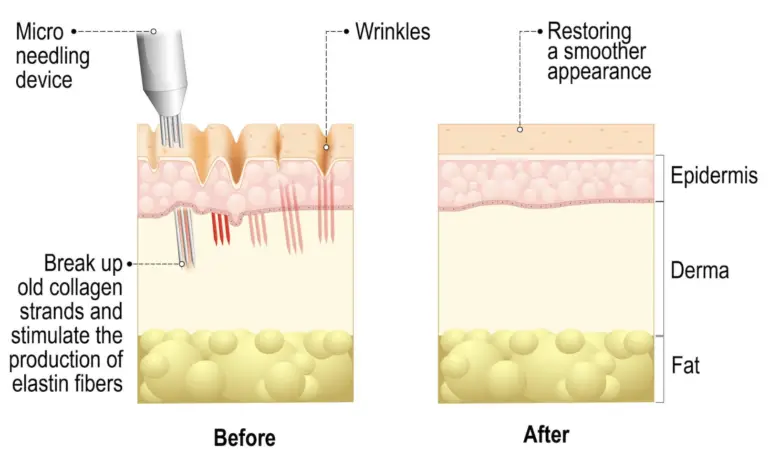
Microneedling creates controlled microchannels in the skin to trigger a natural repair response. Over time, this supports collagen, elastin, smoother-looking texture, and subtle fullness from new collagen support.
This treatment is strongest for texture, pores, acne-scar softening, early fine lines, firmness, overall skin quality, and modest volume support from collagen remodeling. It is not a replacement for filler when true volume restoration is the goal.
Microneedling can be used alone or paired with regenerative add-ons such as PDGF or exosomes. It can also be rotated with Hydrafacial or chemical peels to support texture, glow, and barrier recovery between collagen-focused visits.
Before & After
Use these visuals as a starting point for your consultation. Results vary by person, plan, and treatment response.
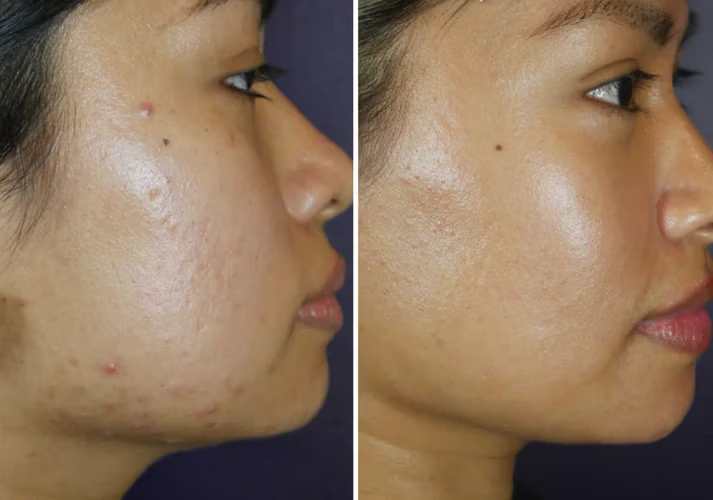
SkinStylus before and after example. Individual results may vary.
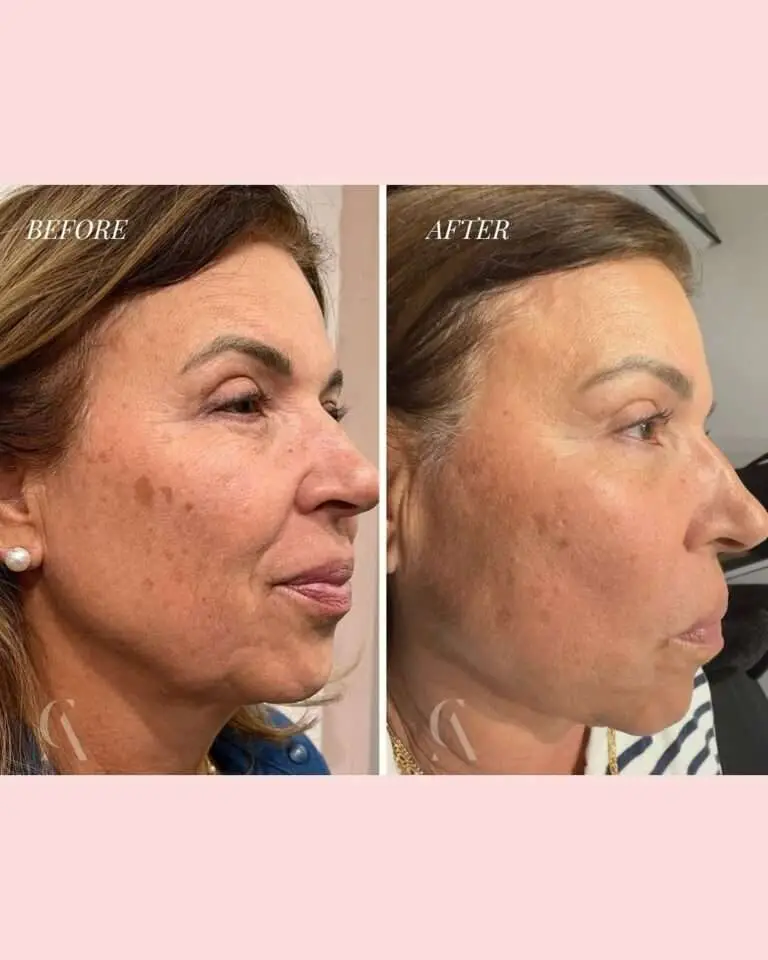
Before and after skin quality example. Individual results may vary.
Ready when you are
Support texture, pores, acne-scar softening, collagen, and overall skin quality with a microneedling plan.
Ready when you are
Support texture, pores, acne-scar softening, collagen, and overall skin quality with a microneedling plan.
Check availability and pricing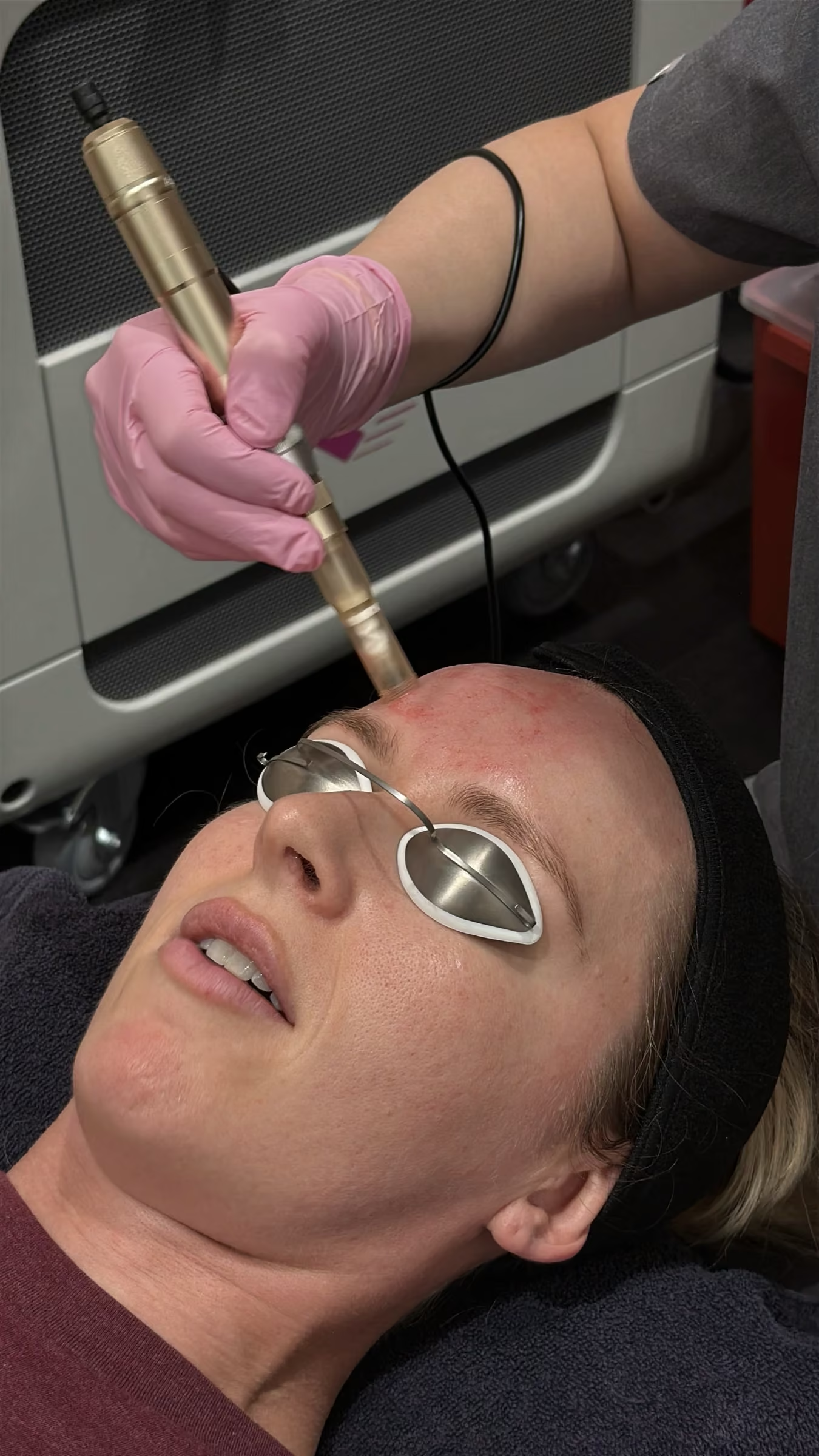
Treatment Overview
Depth, package size, recovery timing, supporting treatments, and regenerative add-ons should be selected around your skin quality, scar pattern, sensitivity, and goals.
Fine needles create controlled microchannels that trigger the skin's repair response while allowing your provider to adjust depth by area and concern.
Results are typically progressive and build across a series. Packages of three are often recommended, with Hydrafacial or chemical peels mixed in when the broader goal includes glow, pigment, or skin maintenance.
PDGF or exosomes may be recommended when the goal is to elevate recovery support, growth-factor signaling, collagen response, and overall skin renewal.
Not sure where to start?
Aura imaging helps document pores, wrinkles, texture, and visible skin quality so your provider can choose microneedling depth, cadence, and add-ons more clearly.
Not sure where to start?
Aura imaging helps document pores, wrinkles, texture, and visible skin quality so your provider can choose microneedling depth, cadence, and add-ons more clearly.
Book Consultation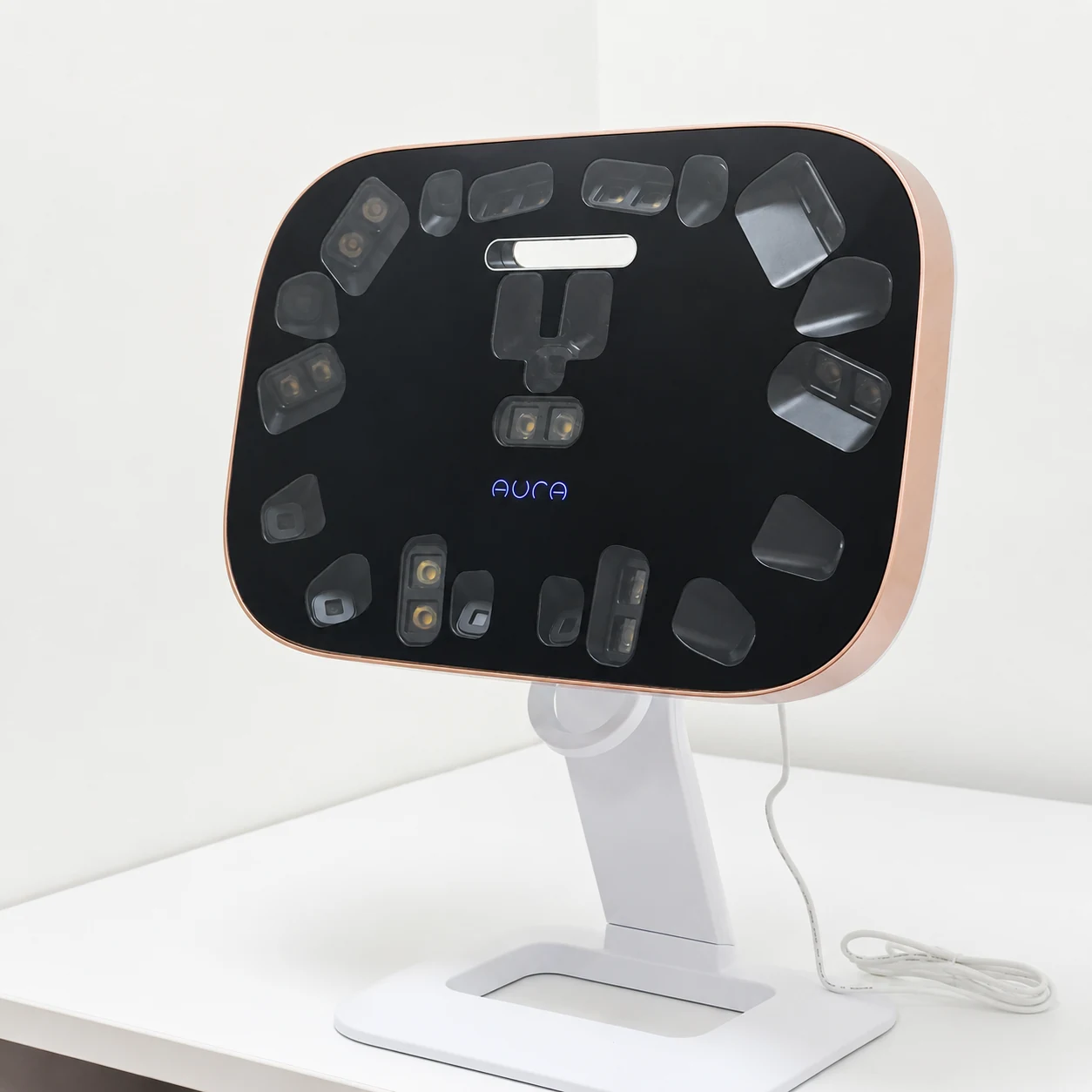
Frequently Asked Questions
Microneedling is usually planned in packages of three. The number of visits depends on texture, scarring, tone, recovery, and how your skin responds.
Microneedling can support smoother texture, refined pores, acne-scar softening, fine lines, firmness, subtle collagen-based volume support, and overall skin quality when planned appropriately.
Common treatment areas include the face, neck, and decollete. Your provider will confirm the right areas and depth during treatment planning.
Most patients should expect redness, warmth, tightness, sensitivity, and possible pinpoint bleeding immediately after treatment. Dryness or light flaking can follow for a few days. Add-ons such as exosomes or PDGF may support recovery, but timing varies by depth, skin condition, and aftercare.
Yes. PDGF or exosomes may be recommended when the goal is a more advanced regenerative skin plan, stronger collagen support, and a smoother recovery experience. The right option depends on skin quality, recovery timing, and goals.
Microneedling may support gradual improvement in texture and acne scarring, especially when paired with a consistent plan.
PDGF is a lab-made growth factor option, which makes it more consistent than PRP because it does not depend on your blood draw or platelet quality. Exosomes are tiny signaling vesicles used to support cellular communication, recovery, and skin renewal. Your provider can recommend the right fit.
Related Treatments
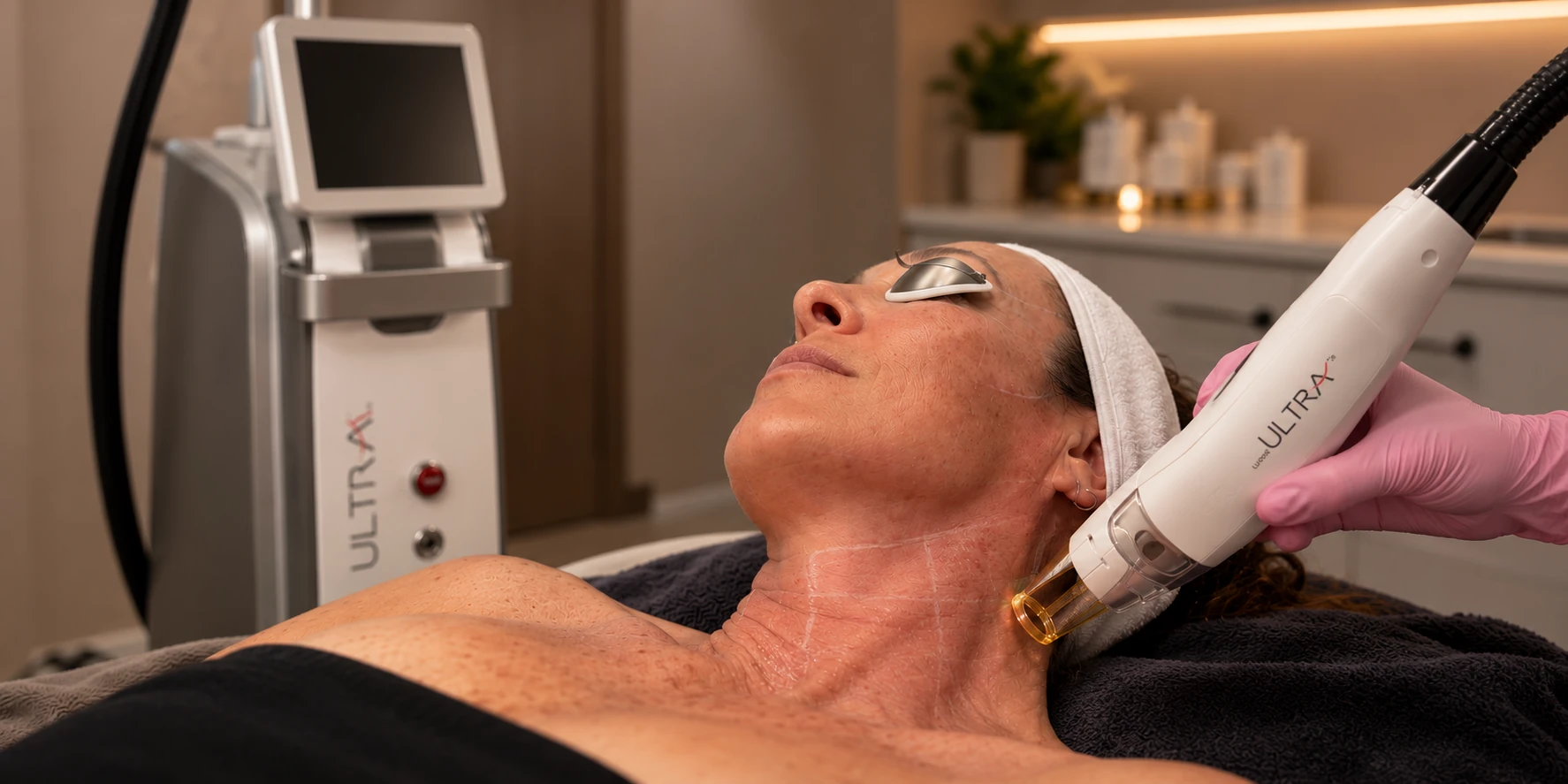
Refresh dull, sun-damaged skin with a low-downtime laser treatment designed to improve pigmentation, uneven tone, texture, and overall radiance.
Learn More about Laser Skin Resurfacing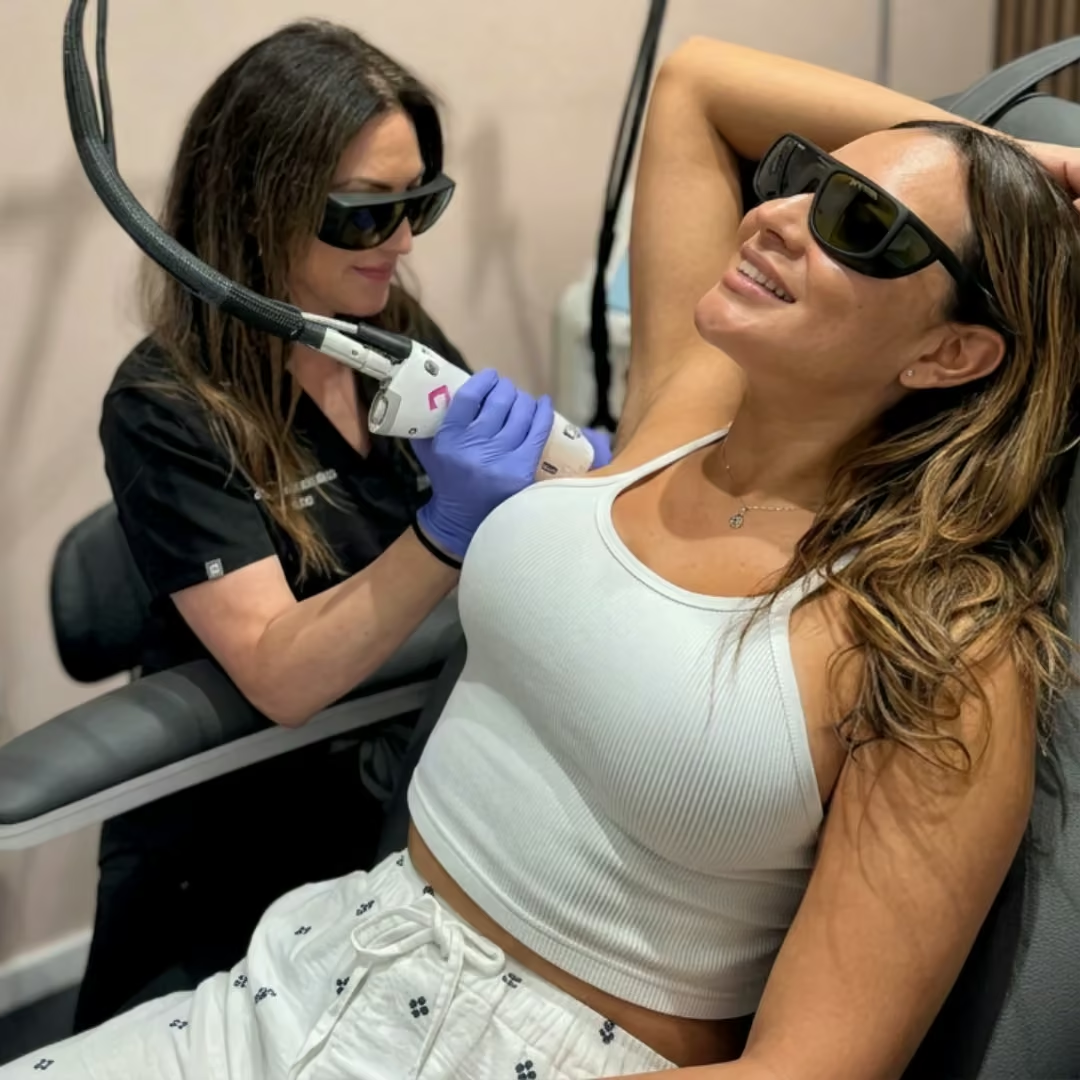
Reduce shaving, waxing, ingrowns, and unwanted hair with GentleMax Pro Plus laser treatments planned around your goals.
Learn More about Laser Hair Removal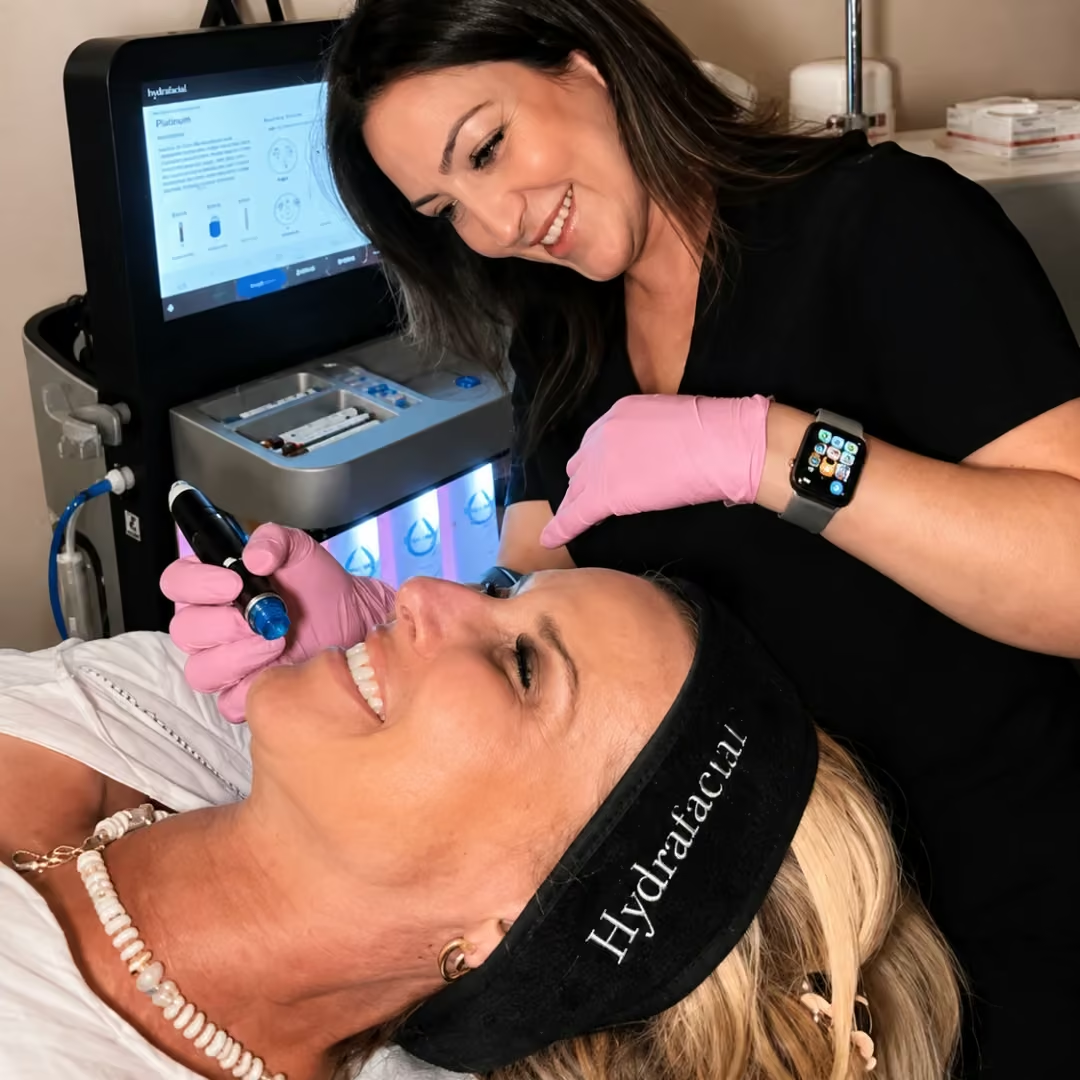
Deeply cleanse, extract, and hydrate for a clearer, smoother, event-ready glow.
Learn More about Hydrafacial™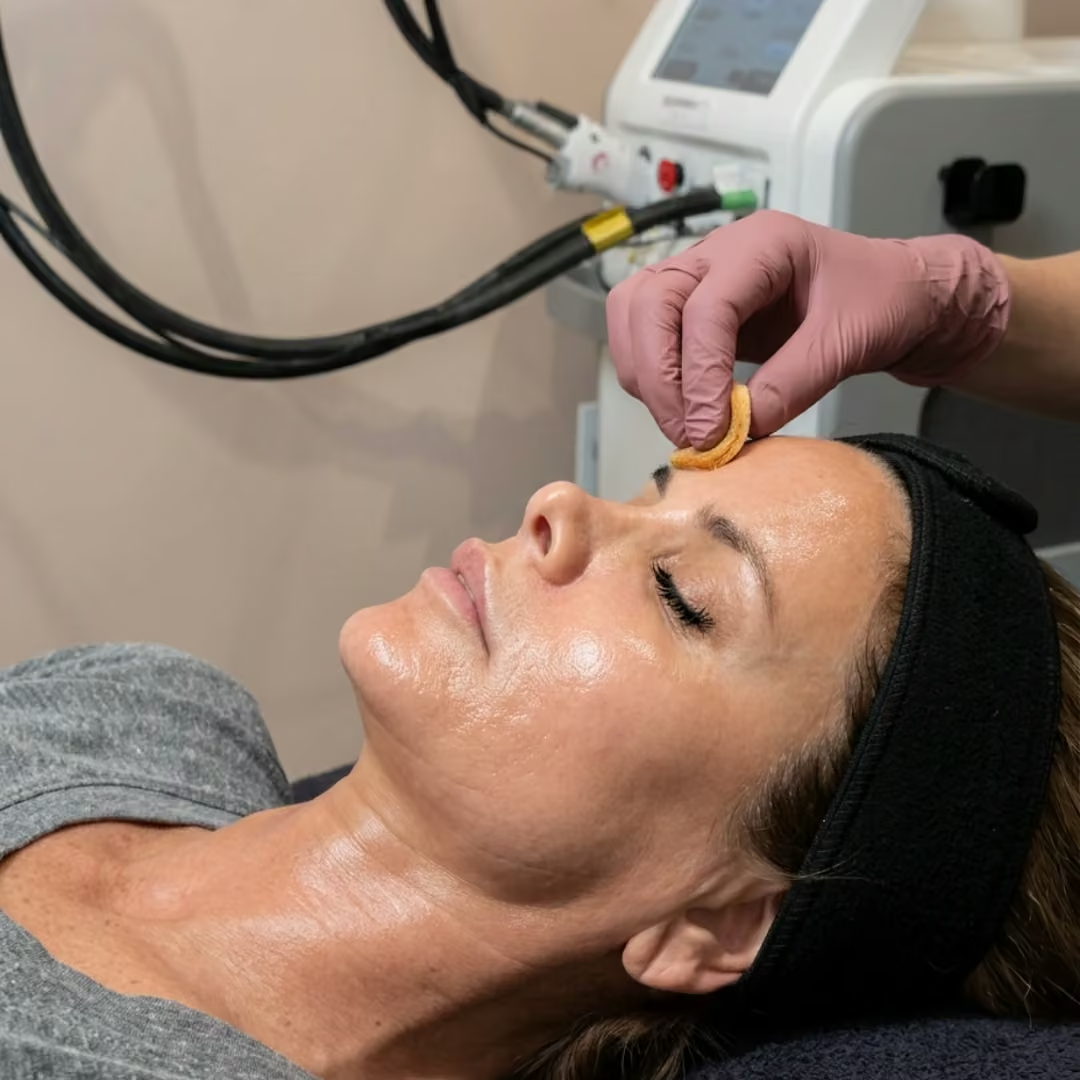
Use VI Peel or SkinCeuticals professional peels to target tone, texture, acne, pigment, and dullness.
Learn More about Chemical PeelsExplore your treatment options and book your visit whenever you’re ready.
Explore Treatment Options