How neurotoxins work
Botox and Xeomin work beneath the surface by temporarily reducing selected muscle activity that contributes to dynamic expression lines from frowning, squinting, raising the brows, or smiling.
Relax targeted facial movement with Botox or Xeomin so forehead lines, frown lines, crow's feet, and other expression-related concerns look softer while your face still feels like you.
Neurotoxins Treatment
Neurotoxin planning is about anatomy, expression, and restraint. The right dose should soften strong movement patterns while preserving balance and natural expression.
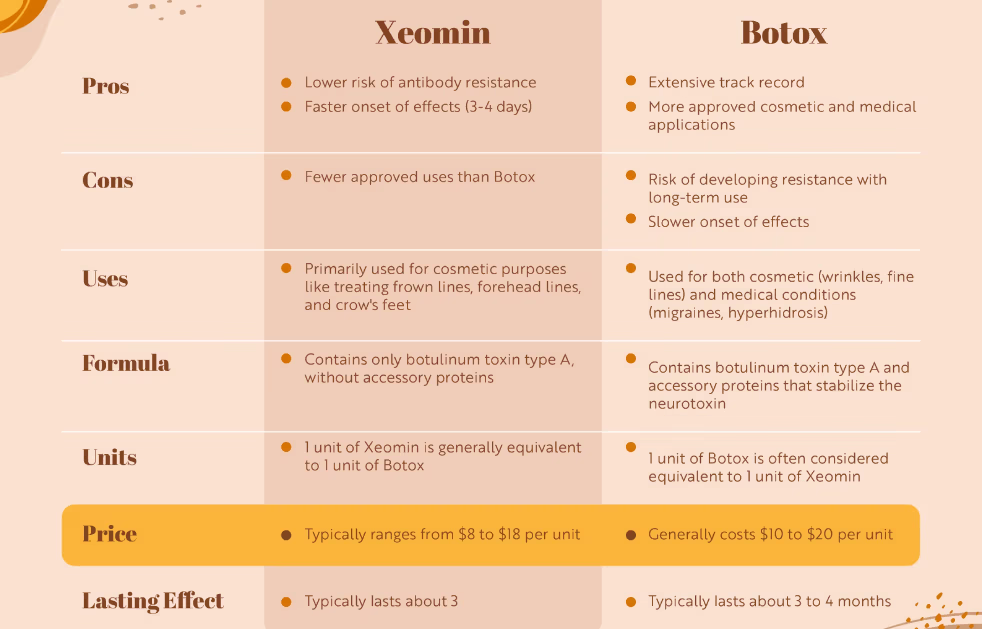
Botox and Xeomin work beneath the surface by temporarily reducing selected muscle activity that contributes to dynamic expression lines from frowning, squinting, raising the brows, or smiling.
Common treatment areas include frown lines, forehead lines, crow's feet, brow lift support, lip flip, chin dimpling, neck bands, bunny lines, and masseter concerns when appropriate.
Beyond cosmetic line-softening, neurotoxins can be used to relax overactive muscles that contribute to certain pain patterns, including jaw clenching, neck or back tension, and selected hand or joint-related concerns after an in-person assessment.
Neurotoxins address movement. Treatments such as Hydrafacial, peels, microneedling, and laser facial support skin quality, tone, texture, and elasticity when a more complete plan is needed.
Before & After
Use these visuals as a starting point for your consultation. Results vary by person, plan, and treatment response.
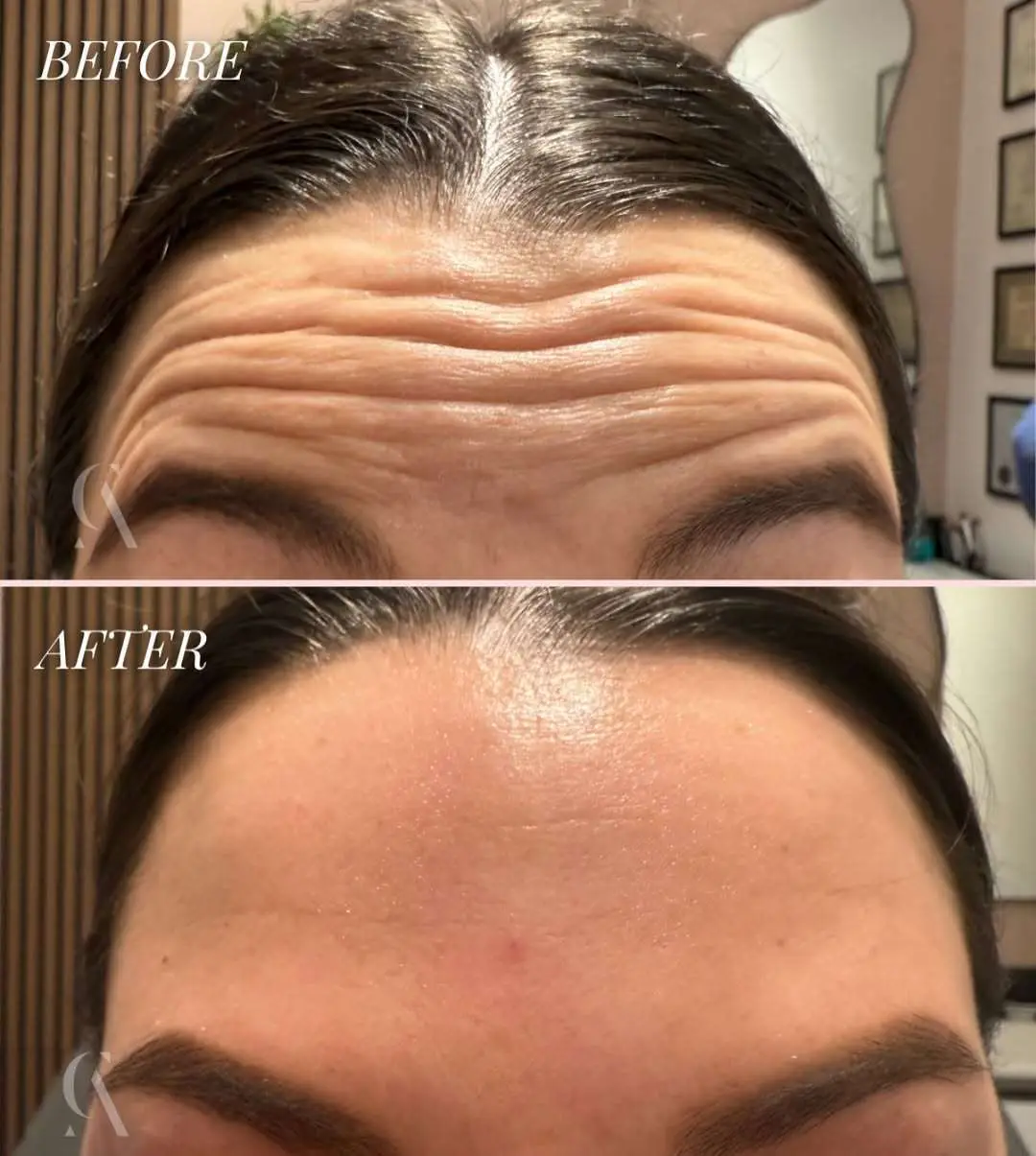
Forehead line before and after example. Individual results may vary.
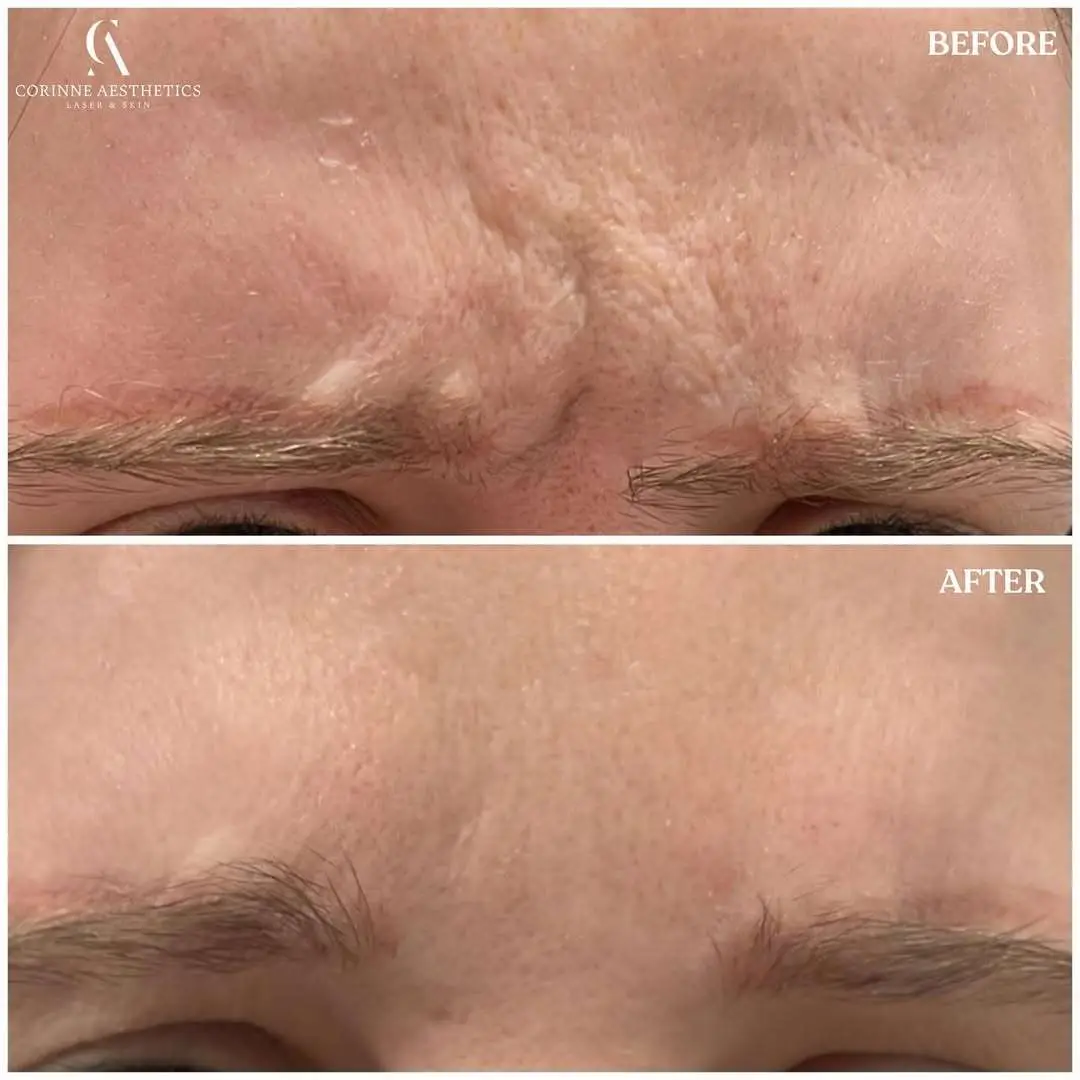
Before and after expression line example. Individual results may vary.
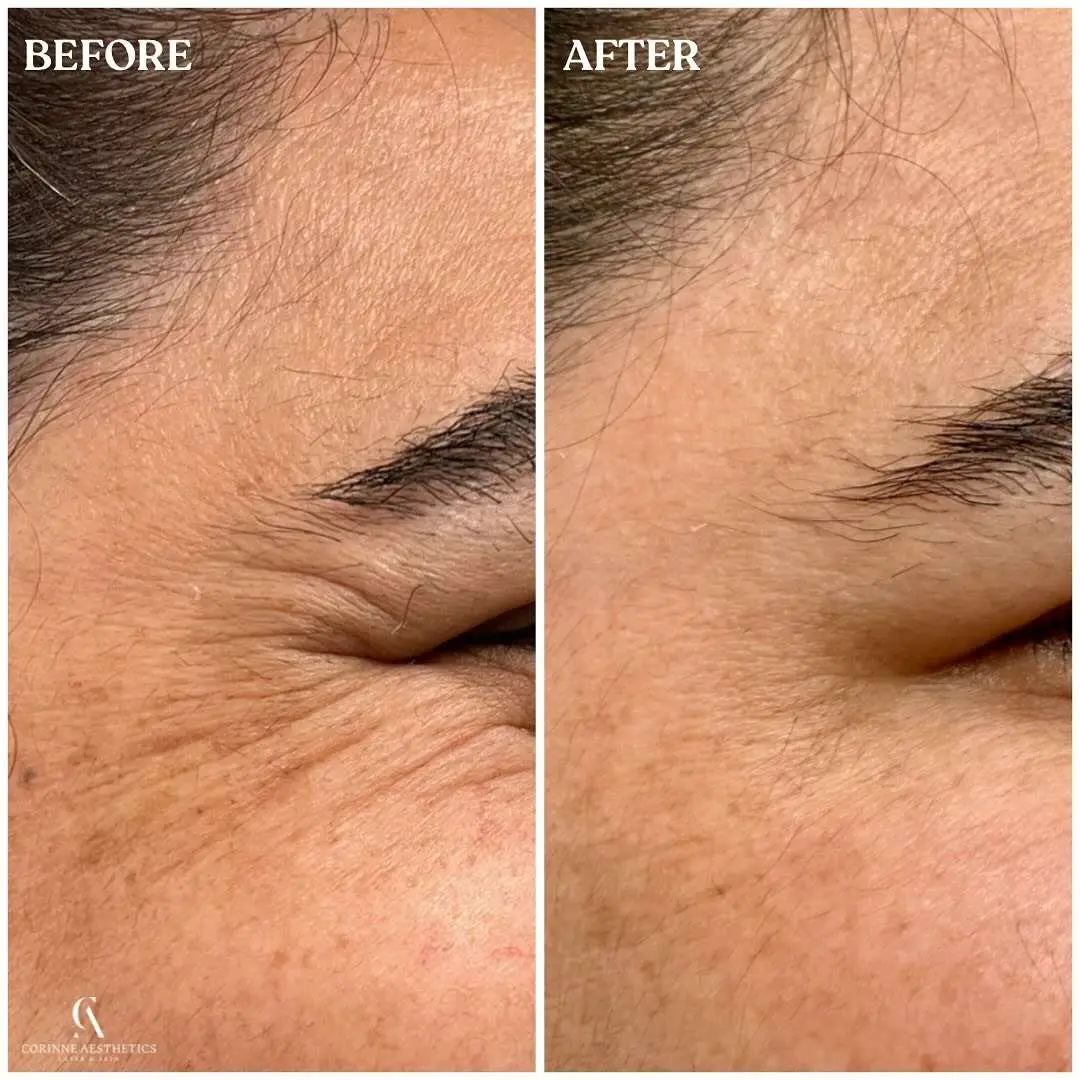
Before and after neurotoxin example. Individual results may vary.
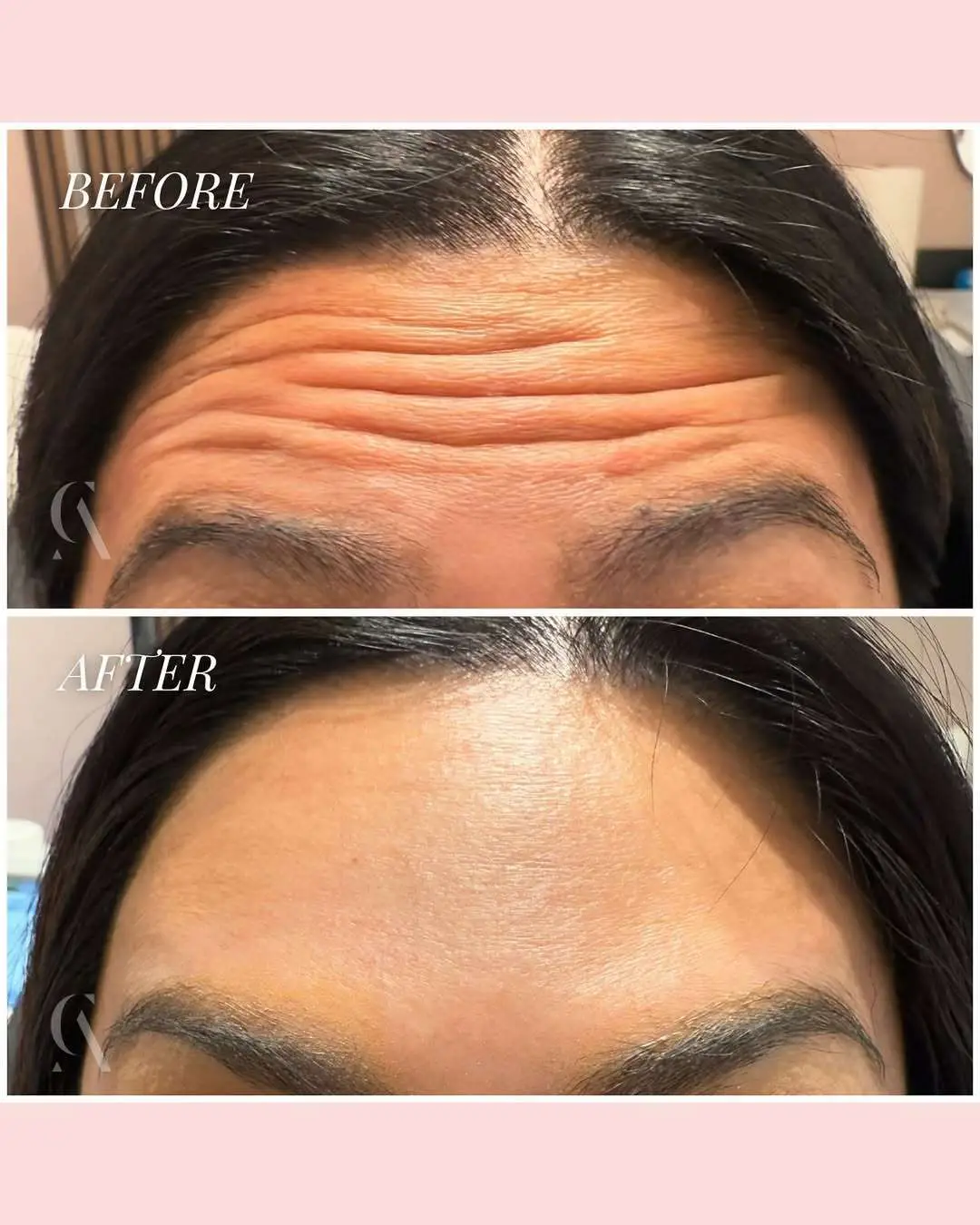
Before and after wrinkle softening example. Individual results may vary.
Ready when you are
Soften frown lines, forehead lines, crow's feet, and other movement-related concerns with Botox or Xeomin planning around your anatomy, muscle strength, and goals.
Ready when you are
Soften frown lines, forehead lines, crow's feet, and other movement-related concerns with Botox or Xeomin planning around your anatomy, muscle strength, and goals.
Check availability and pricing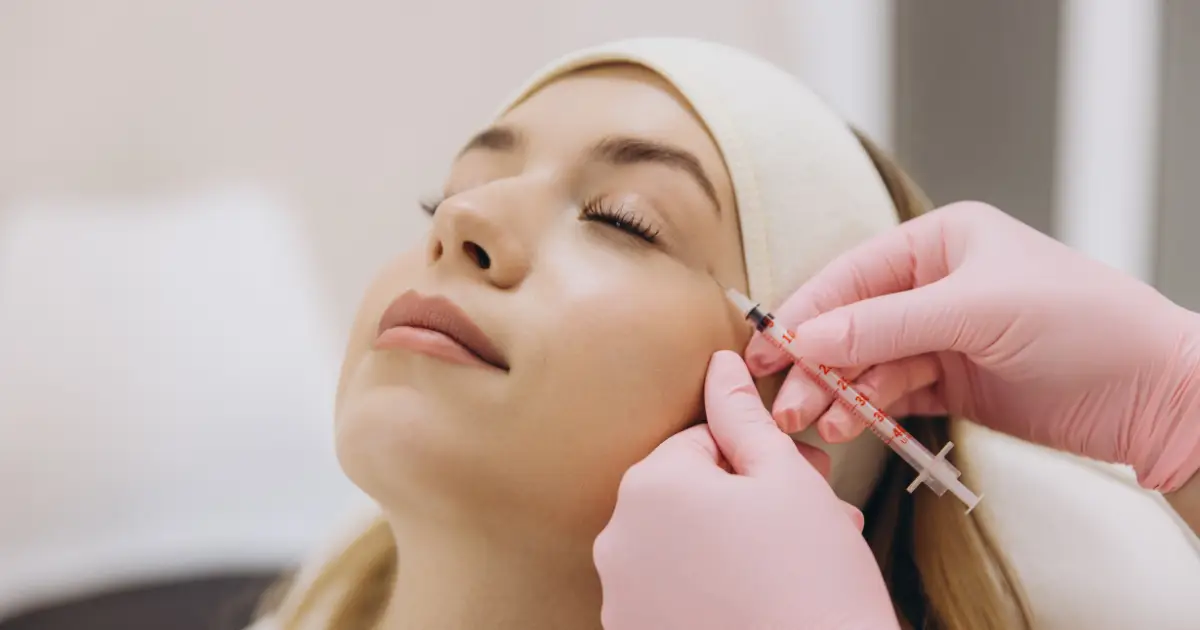
Treatment Overview
A conservative plan considers your facial anatomy, muscle strength, expression habits, prevention goals, existing static lines, and how much movement you want to keep.
Treatment planning prioritizes refreshed, well-rested movement rather than an overcorrected or frozen look.
Your provider will evaluate facial anatomy, muscle strength, expression patterns, asymmetry, prior treatment history, and goals before recommending placement.
Preventative Botox can be useful when strong repetitive movement is starting to create early lines. It helps reduce the muscle activity that deepens wrinkles over time, but it does not erase etched-in static wrinkles that are already present at rest.
Results develop over days and are temporary. Consistent maintenance can help keep strong muscle movement from fully returning between visits.
Not sure where to start?
Aura imaging helps your provider look at texture, wrinkles, volume changes, and facial balance so Botox or Xeomin fits into a broader skin and aging plan.
Not sure where to start?
Aura imaging helps your provider look at texture, wrinkles, volume changes, and facial balance so Botox or Xeomin fits into a broader skin and aging plan.
Book Consultation
Frequently Asked Questions
Units depend on facial anatomy, muscle strength, movement patterns, and goals. Common ranges can include 10 to 20 units for forehead lines, 15 to 25 units for frown lines, 8 to 15 units per side for crow's feet, 4 to 6 units for a lip flip, and 20 to 40 units per side for masseter treatment, but your provider will assess your face in person before recommending dosing.
Both are neurotoxin options used to soften expression-related movement. Botox is the most recognized option, while Xeomin is a double-filtered option formulated without accessory proteins. Your provider may recommend one based on treatment history, goals, and response.
Preventative Botox is optional, but it can be strategic for patients who want to soften strong repetitive movement before deeper static lines form.
If you stop, muscle movement gradually returns and lines follow your natural aging process. Botox does not create a rebound effect.
Yes. Neurotoxins are often combined with treatments that support skin texture, tone, and elasticity for a more complete plan.
Yes, neurotoxins may be used therapeutically for selected muscle-related concerns such as jaw clenching, neck tension, back tension, or hand and joint-related muscle pain when appropriate. Your provider will review your symptoms, anatomy, and whether treatment is a fit.
Many patients return every 3 to 4 months. Botox Cosmetic appointments should be spaced at least 90 days apart, and your exact rhythm can vary by dose, metabolism, muscle strength, treatment area, and goals.
Many patients begin noticing changes within 3 to 5 days, with full results usually visible around 10 to 14 days. Timing can vary by product, area, dose, and individual response.
No. Neurotoxins can soften dynamic movement at many ages. If deeper lines are present at rest, your provider may recommend combining neurotoxins with skin-quality or volume-support treatments.
Related Treatments
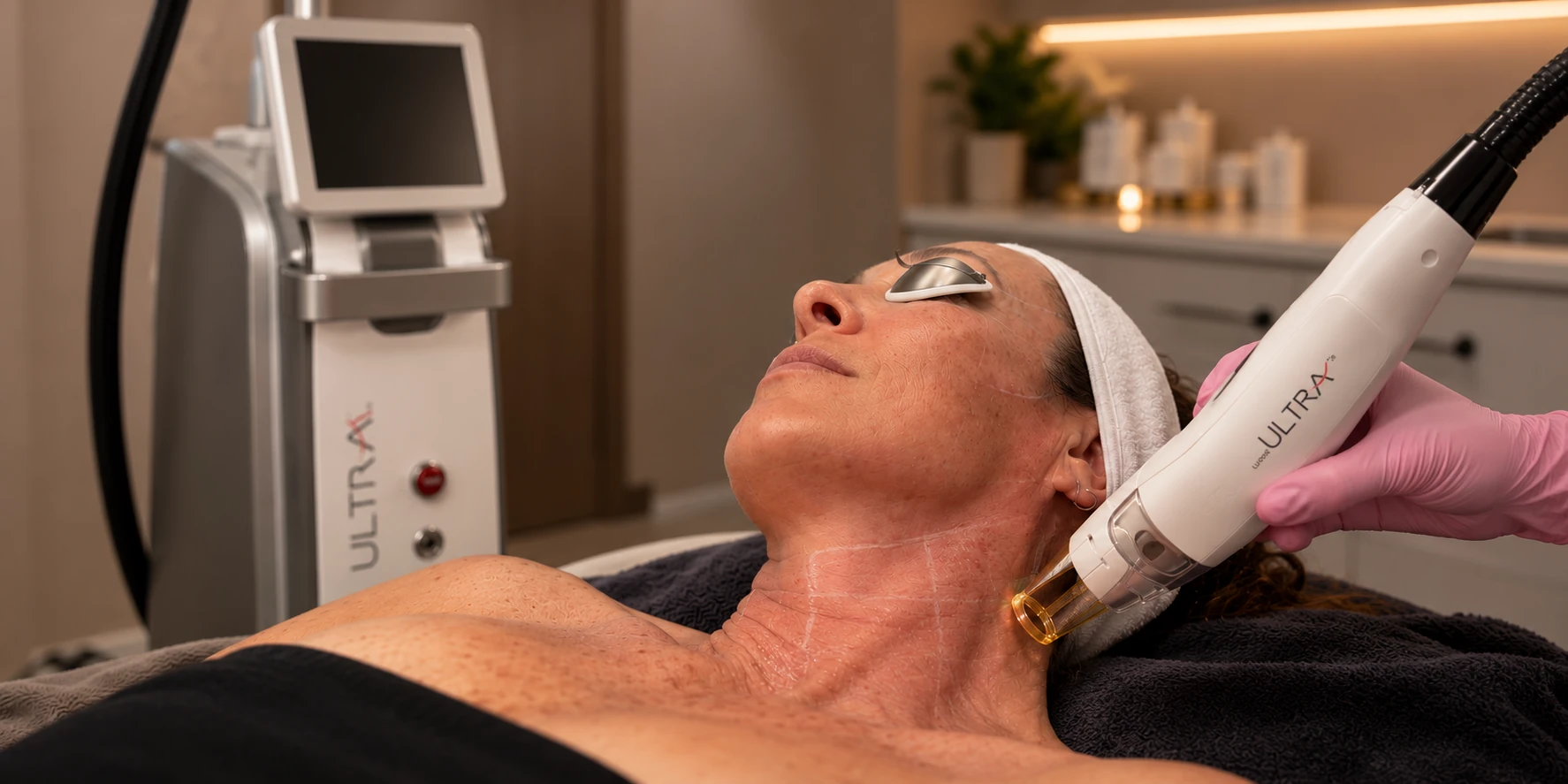
Refresh dull, sun-damaged skin with a low-downtime laser treatment designed to improve pigmentation, uneven tone, texture, and overall radiance.
Learn More about Laser Skin Resurfacing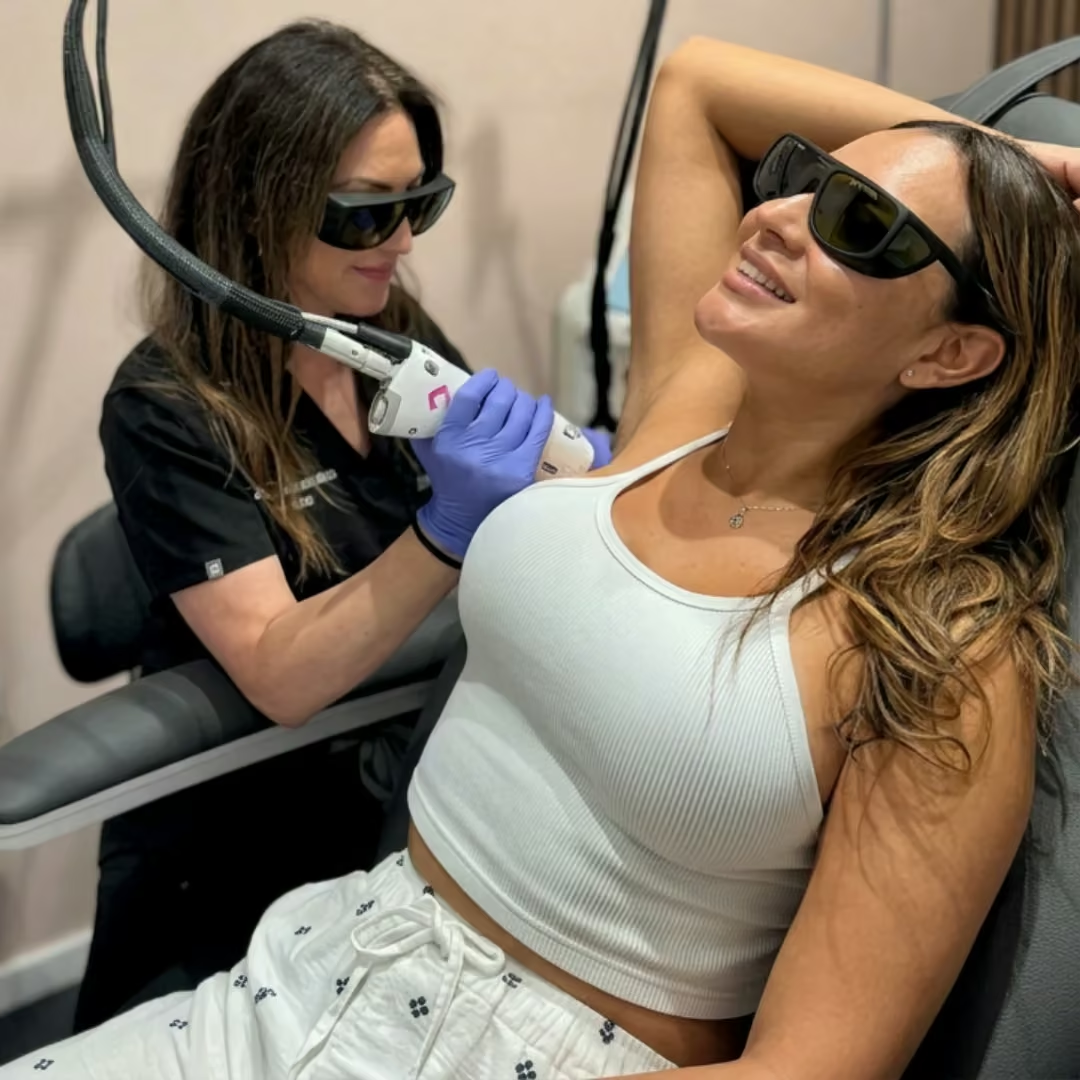
Reduce shaving, waxing, ingrowns, and unwanted hair with GentleMax Pro Plus laser treatments planned around your goals.
Learn More about Laser Hair Removal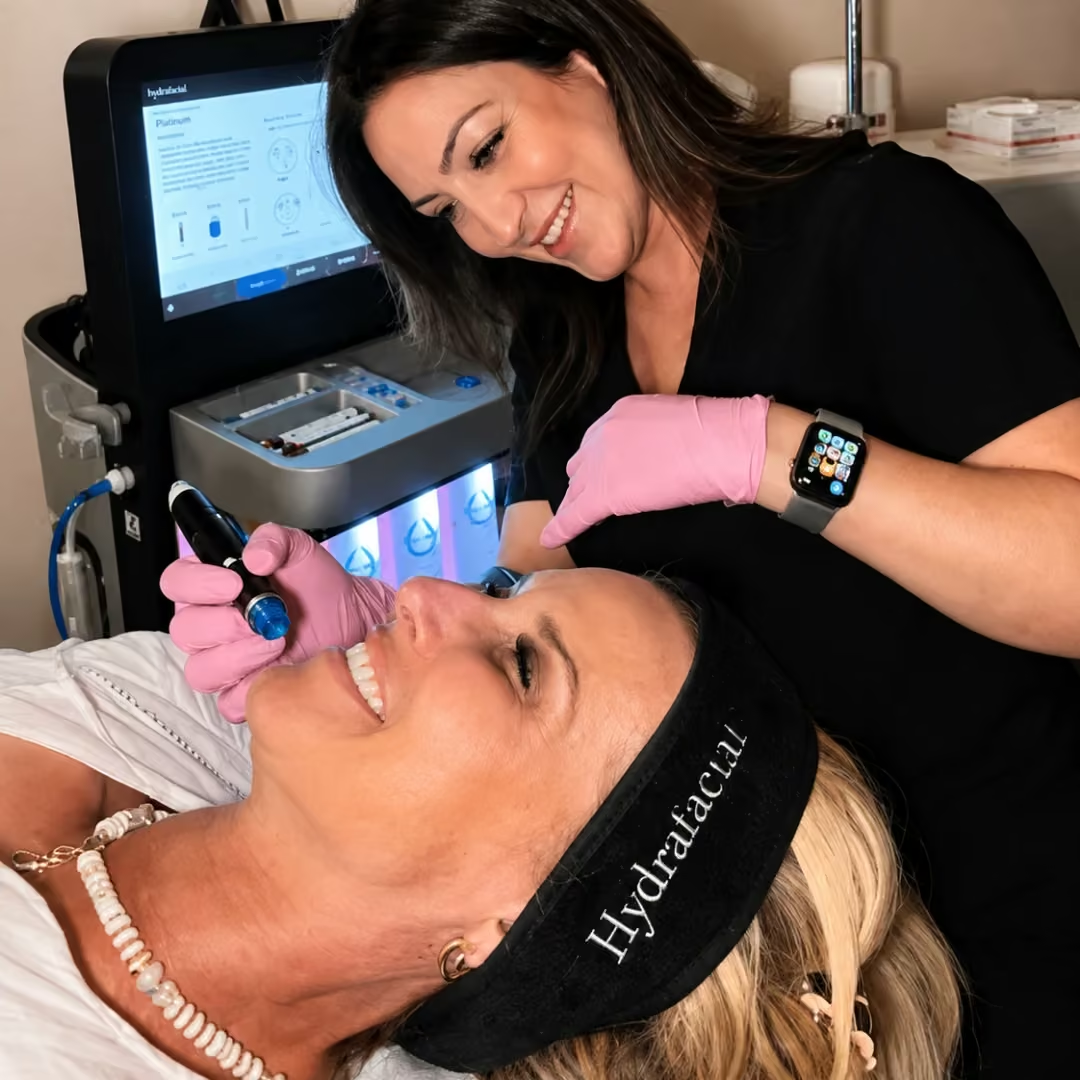
Deeply cleanse, extract, and hydrate for a clearer, smoother, event-ready glow.
Learn More about Hydrafacial™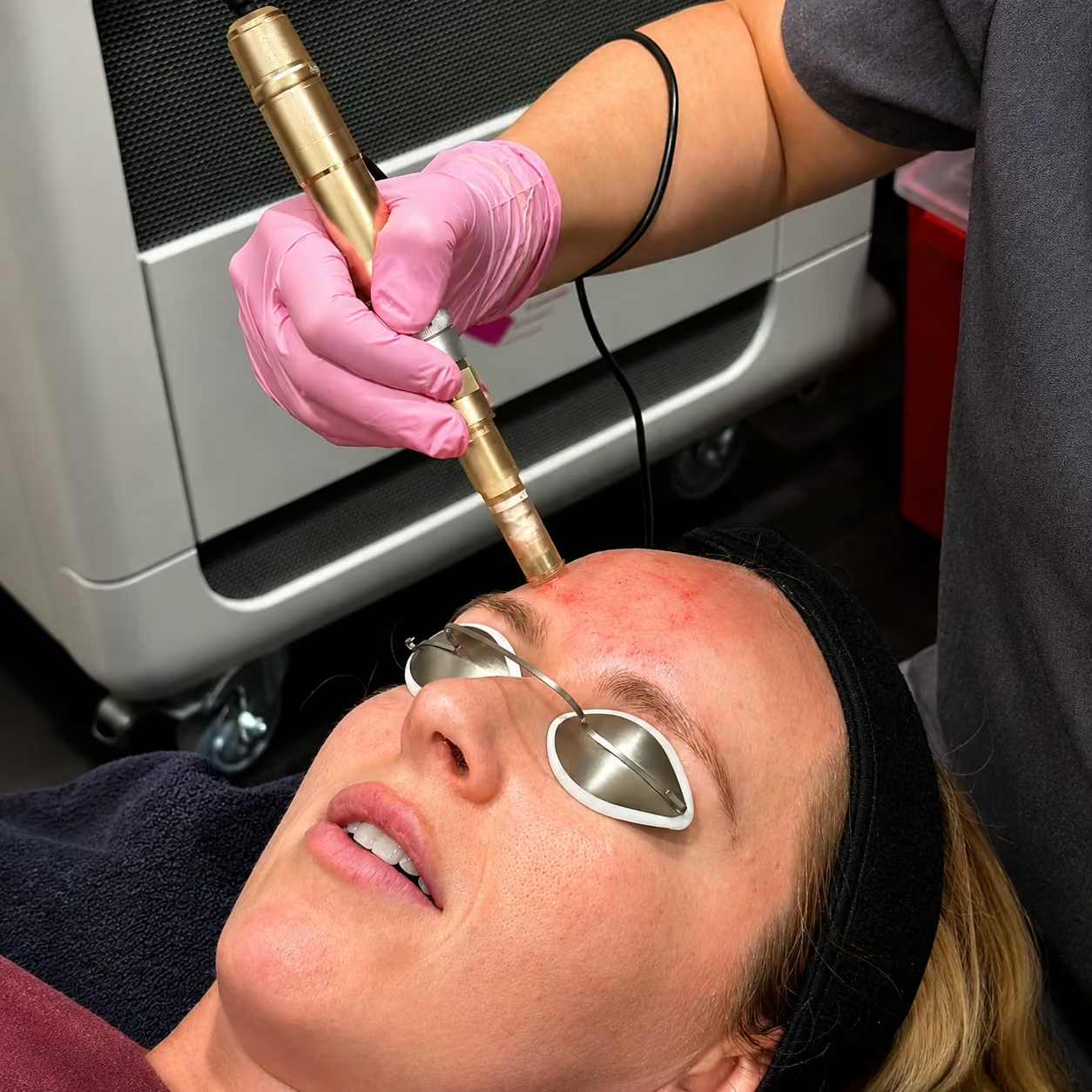
Create controlled microchannels to support collagen, texture, pores, acne scars, skin quality, and subtle volume support.
Learn More about MicroneedlingExplore your treatment options and book your visit whenever you’re ready.
Explore Treatment Options