Hydrafacial vs Chemical Peel: Which Treatment Makes Sense?
How to compare Hydrafacial and chemical peels for glow, texture, pigment, congestion, exfoliation, downtime, and long-term skin planning.
Skin Education
The simple difference
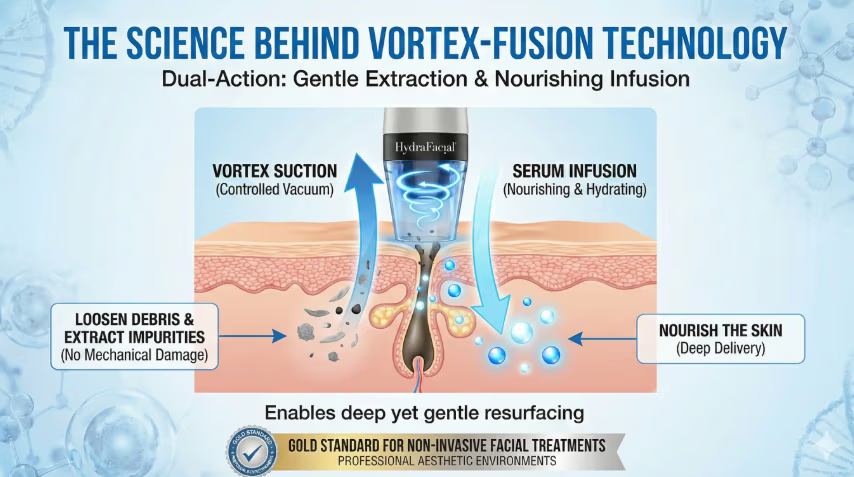
Hydrafacial is a comfortable, low-downtime treatment that cleanses, exfoliates, extracts, and hydrates in one visit. It is often chosen for glow, congestion, hydration, event prep, and ongoing maintenance.
Chemical peels use selected acids to create a stronger exfoliating response. Depending on the peel, they may be used for pigment, post-acne marks, rough texture, acne-prone skin, fine lines, and dullness.
When Hydrafacial makes sense
Hydrafacial is often the better choice when you want skin that looks refreshed quickly with no expected downtime. It can help with dullness, dry or dehydrated skin, mild congestion, and rough surface texture.
The official Hydrafacial treatment is built around cleansing, extracting, and hydrating. At Corinne Aesthetics, the tier can be selected around how much customization your skin needs.
When a chemical peel makes sense
Chemical peels are often chosen when the goal is more corrective exfoliation. They can be helpful for uneven tone, melasma-prone planning, sun damage, acne marks, roughness, and more stubborn texture.
Downtime depends on the peel selected, your skin health, and how your skin responds. Some peels are lighter with minimal flaking, while stronger options can involve visible peeling for several days.
Color and pigment goals
If your main concern is dullness or mild uneven tone, Hydrafacial may be a reasonable starting point. If you are focused on dark spots, post-acne marks, or more stubborn pigment, a peel series may be more appropriate.
Pigment should be planned carefully, especially for patients with melasma tendencies, recent sun exposure, or sensitivity. Your provider may also discuss Aura Skin Analysis to track color patterns and progress over time.
Texture, pores, and congestion
Hydrafacial can be helpful when pores feel congested or the skin needs a gentle reset. It is also a strong maintenance option between more corrective treatments.
Peels can be helpful when texture needs stronger resurfacing support. For deeper acne scars or collagen-related texture concerns, your provider may also discuss microneedling.
How downtime affects the decision
Hydrafacial is usually the better option before events or when you do not want visible peeling. Many patients choose it before photos, travel, or a busy work week.
Peels should be timed around your calendar. Even when downtime is mild, you may need to plan around flaking, sun exposure, workouts, and product restrictions.
Can you do both?
Yes, many patients benefit from both treatments at different times. Hydrafacial can support hydration and maintenance, while peels can be used more strategically for correction.
Your provider can help decide whether to alternate treatments, start with Hydrafacial, build a peel series, or combine skin services with neurotoxins, laser facial, or microneedling depending on your four-pillar goals.
How to choose at Corinne Aesthetics
At Corinne Aesthetics, the decision starts with your skin goals, sensitivity, downtime window, pigment history, acne activity, event timing, and current home care.
Public resources such as the American Academy of Dermatology are useful for general peel education, but your actual treatment choice should be personalized to your skin.
Patient reviews
Real patient feedback helps you understand the experience.
Read current reviews from Corinne Aesthetics patients before choosing where to start.
Keep reading
Related treatment guides.
Skin Education
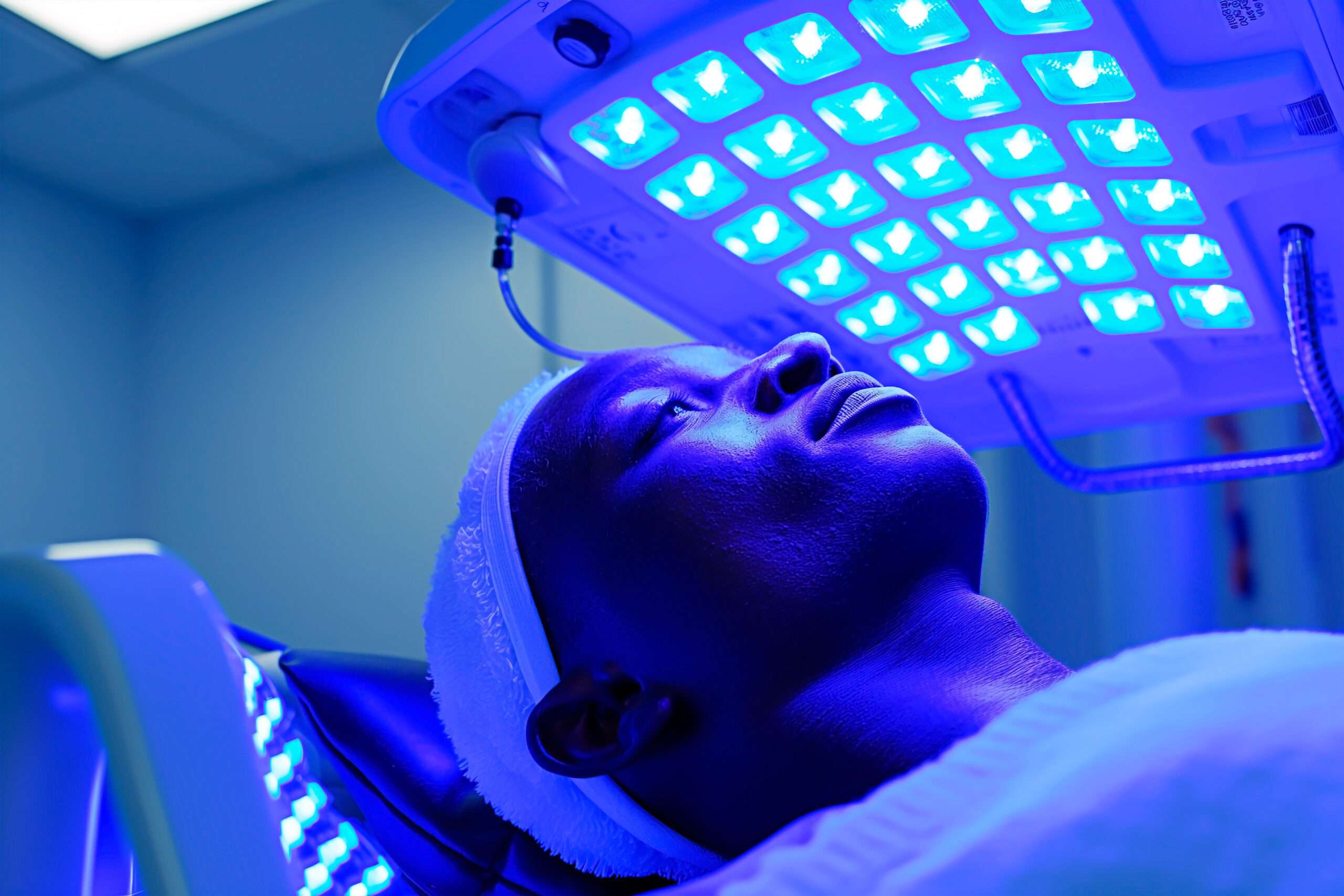
LED Light Therapy: Where It Fits in a Skin Plan
A simple explanation of LED light therapy, why it is often paired with treatments, and how it supports recovery-focused skin goals.
Read Blog
Seasonal Skin
Fall Skincare Routine Ideas for Moms in Thousand Oaks
A realistic fall skincare reset for patients balancing family schedules, sun exposure, pigment, dryness, and low-downtime treatment options.
Read Blog
Seasonal Skin
Why Fall Is a Good Time for Botox and Hydrafacial
How fall routines can support refreshed skin, smoother expression lines, and a more consistent maintenance plan after summer sun exposure.
Read Blog